Tag: vastu

How Planetary Positions Affect the Flow of Energy within a Vastu-based Structure


How Planetary Positions Affect the Flow of Energy within a Vastu-based Structure

Imagine living or working in a space where positive energy flows freely, bringing harmony, success, and well-being. The ancient science of Vastu Shastra aims to create such environments, and one crucial factor influencing energy flow is the positioning of celestial bodies. In this article, we will explore how planetary positions impact the flow of energy within a Vastu-based structure.

Understanding Planetary Positions in Vastu

In Vastu Shastra, the positions of planets at the time of a structure’s construction or its occupants’ birth are believed to influence its energy dynamics. Each planet emits distinct energies that interact with the environment and its inhabitants. By understanding these positions, one can optimize the flow of positive energy and minimize negative influences.

The Role of Planetary Positions in Energy Flow

The Sun and Its Influence

The Sun, as the primary source of light and life, holds significant importance in Vastu. Its positioning determines the entry of natural light, warmth, and vitality within a space. Proper alignment with the Sun’s path can enhance positive energy and create a vibrant atmosphere.

The Moon and Its Impact

The Moon’s position affects emotional well-being and tranquility within a structure. It is linked to feelings, intuition, and creativity. Optimal placement of rooms and spaces considering the Moon’s position can foster emotional balance and harmony.

The Influence of Other Planets

Beyond the Sun and the Moon, other planets also play essential roles. Mercury’s position can influence communication and intellect, while Mars can bring energy and drive. Venus relates to love and relationships, Jupiter to wisdom and prosperity, and Saturn to discipline and stability. Harmonizing these planetary energies enhances the overall energy dynamics.

Incorporating Planetary Positions in Vastu Practices

Positioning Rooms and Structures

Vastu suggests specific orientations and locations for various rooms based on planetary influences. For example, the placement of the master bedroom or the kitchen may vary depending on the dominant planet to align with its positive energies.

Utilizing Astrological Charts

Astrological charts, such as the birth chart or horoscope, provide insights into an individual’s planetary positions. These charts guide Vastu consultants in tailoring adjustments for a specific person, considering their unique energy makeup.

Aligning Energies with Planetary Forces

Through Vastu adjustments like spatial arrangement, color choices, and element placement, one can align the energy of a structure with the corresponding planetary forces. This alignment aims to optimize the positive influences and minimize any negative impact.

Examples of Planetary Positions in Vastu

Sun’s Position and Energy Flow

When designing a Vastu-based structure, the Sun’s position is crucial. A well-positioned entrance aligned with the rising Sun allows the entry of positive energy, while an obstructed entrance can impede its flow. Proper placement of windows and skylights further ensures adequate sunlight penetration.

Moon’s Position and Emotional Balance

The Moon’s placement can affect emotional states within a structure. Positioning rooms or spaces to align with the Moon’s positive aspects can foster emotional stability and tranquility. For example, a meditation room facing the Moon’s direction may enhance calmness and mindfulness.

Other Planetary Combinations and Their Effects

Different combinations of planetary positions can have specific effects. For instance, the presence of Venus in the northeast direction may enhance relationships, while Mars in the southeast can boost motivation and productivity. Vastu experts consider these combinations when advising on structural or interior adjustments.

Enhancing Energy Flow with Planetary Remedies

Gemstones and Crystals

Gemstones and crystals are believed to harness the energies of specific planets. Wearing or placing them strategically can amplify positive influences and counterbalance adverse planetary effects. For instance, wearing a ruby gemstone may strengthen the Sun’s positive energies.

Vedic Rituals and Offerings

Performing Vedic rituals and offerings, such as homas (fire rituals) or pujas (prayer ceremonies), can invoke planetary blessings and harmonize their energies within a structure. These practices aim to establish a favorable environment for overall well-being.

Astrological Consultations

Consulting an astrologer or Vastu expert who specializes in planetary influences can provide personalized insights and remedies. They analyze the birth chart and guide individuals on adjusting their living or working spaces to align with favorable planetary positions.

The Impact of Planetary Positions on Individuals

Personal Vastu Analysis

Individuals can benefit from a personal Vastu analysis, which assesses the impact of planetary positions on their lives. By understanding their unique energy makeup, one can make targeted adjustments in their living or working spaces to enhance well-being, success, and overall happiness.

Benefits of Harmonizing Planetary Influences

Harmonizing planetary influences through Vastu practices can bring various benefits. It may contribute to improved relationships, enhanced health, increased prosperity, and a sense of inner balance. The alignment of energies with planetary forces supports individuals in realizing their full potential.

Balancing Energy for Overall Well-being

A well-balanced energy environment nurtures overall well-being. By considering planetary positions, individuals can create spaces that promote physical, mental, and emotional harmony. This holistic approach aligns personal energies with the cosmic forces, facilitating a more fulfilling and purposeful life.

Conclusion

Incorporating planetary positions in Vastu practices offers a profound understanding of energy flow within structures. By aligning with the positive influences of celestial bodies, individuals can optimize the flow of energy and create harmonious environments that support their well-being and success.

FAQ:

1: Can planetary positions affect financial prosperity?

Yes, planetary positions can influence financial prosperity. By aligning one’s living or working space with favorable planetary energies, individuals can enhance abundance and financial growth.

2: How long does it take to see the effects of planetary remedies in Vastu?

The effects of planetary remedies in Vastu can vary from person to person. Some individuals may experience immediate changes, while others may witness gradual improvements over time. Patience and consistency in implementing remedies are key.

3: Do planetary positions influence relationships in a home or office?

Yes, planetary positions can influence relationships within a home or office. Harmonizing planetary energies through Vastu adjustments can foster positive interactions, understanding, and harmony among individuals.

4: Is it necessary to consult an astrologer for Vastu adjustments based on planetary positions?

While not mandatory, consulting an astrologer or Vastu expert can provide valuable insights into one’s unique planetary positions and their effects. Their guidance ensures personalized adjustments tailored to individual needs.

5: Can Vastu remedies help alleviate health issues?

Vastu remedies, combined with appropriate medical care, can create an environment conducive to overall well-being. By aligning with positive energies, Vastu practices may contribute to maintaining good health and supporting the healing process.
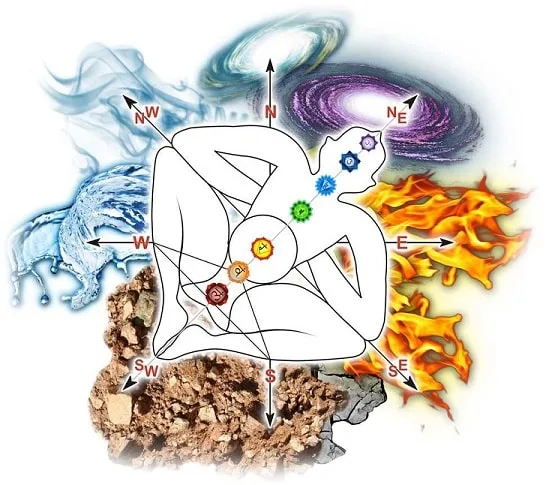
Key Aspects of Vastu: Directions, Elements, and Energies

Vastu Shastra, the ancient Indian architectural science, encompasses various key aspects that are crucial in creating harmonious living spaces. This article delves into the significance of directions, elements, and energies in Vastu, exploring how they contribute to the overall balance and positive energy flow within a space.

Understanding Directions in Vastu Shastra

Directions play a pivotal role in Vastu Shastra, as they determine the placement of various elements within a structure. Each direction holds specific energies and influences different aspects of life. In Vastu, the four cardinal directions, namely North, East, South, and West, along with the four diagonal directions, Northeast, Southeast, Southwest, and Northwest, are given immense importance.

  • The North direction is associated with wealth, abundance, and career growth. It is considered auspicious for the placement of important elements such as the entrance, treasury, and business activities.
  • The East direction is associated with health, vitality, and new beginnings. Placing elements like the prayer room, study area, and sources of natural light in the East is considered favorable.
  • The South direction is associated with strength, stability, and fame. Important elements like the master bedroom and kitchen can be positioned in the South direction.
  • The West direction is associated with creativity, children, and social connections. Placing elements such as the living room, entertainment area, and children’s room in the West direction is considered beneficial.
  • The Northeast direction, also known as the Ishanya corner, is considered highly auspicious. It is associated with spiritual growth, wisdom, and clarity of thought. Placing the puja room, meditation area, or study room in this direction is considered favorable.
  • The Southeast direction is associated with fire, energy, and passion. Placing the kitchen or any source of heat or fire in this direction is believed to enhance positive energy and prosperity.
  • The Southwest direction is associated with stability, grounding, and relationships. Placing the master bedroom or heavy furniture in this direction is considered advantageous.
  • The Northwest direction is associated with air, movement, and opportunities. Positioning the dining area, guest room, or windows in this direction can enhance positive energy flow.

Understanding and implementing the principles of directional alignment is vital in Vastu Shastra as it ensures that the energies within a space are in harmony with the cosmic energies.

Elements in Vastu Shastra

Vastu Shastra recognizes the significance of the five elements, known as Pancha Mahabhutas, in creating a balanced and energetically harmonious environment. These elements are:

  • Earth (Prithvi): It symbolizes stability, support, and grounding. Incorporating earth elements in the form of building materials or natural landscapes creates a sense of security and foundation.
  • Water (Jal): Water represents fluidity, purity, and emotional well-being. The presence of water bodies or water-related elements such as fountains or aquariums can enhance the flow of positive energy.
  • Fire (Agni): Fire symbolizes energy, transformation, and passion. The presence of fire elements such as candles, fireplaces, or well-lit spaces can invigorate the energy within a space.
  • Air (Vayu): Air represents movement, freshness, and circulation. Adequate ventilation, the presence of indoor plants, and open spaces allow the free flow of air, promoting a sense of vitality.
  • Space (Akasha): Space symbolizes expansion, openness, and connection. Leaving ample space in design, avoiding clutter, and creating a sense of openness allow the energy to circulate freely.

Balancing these elements within a space is essential to create a harmonious and energetically balanced environment in accordance with Vastu principles.

Energies in Vastu Shastra

Vastu Shastra acknowledges the presence of subtle energies within a space, known as Prana or life force energy. The flow of Prana directly impacts the well-being of individuals inhabiting a space. Vastu aims to optimize the flow of positive energy while minimizing any obstructions or negative influences. Some important factors influencing energy flow in Vastu Shastra are:

  • Entrance and Exits: The main entrance of a structure is considered the entry point for energy flow. It should be well-positioned, welcoming, and free from obstacles. Similarly, exits should be placed strategically to ensure the smooth flow of energy.
  • Energy Flow Pathways: Vastu emphasizes the importance of unobstructed pathways for energy circulation. The arrangement of rooms, corridors, and staircases should facilitate the smooth movement of energy throughout the space.
  • Colors and Lighting: Colors and lighting have a significant impact on energy. Vastu suggests the use of appropriate colors and lighting schemes to create a positive and uplifting atmosphere within a space.
  • Balance and Symmetry: Maintaining balance and symmetry in the layout and design of a structure enhances the flow of energy. Imbalances or irregularities can disrupt the energy flow and create disharmony.
  • Clutter and Organization: Clutter creates stagnant energy and obstructs the natural flow of energy. Vastu encourages cleanliness, organization, and decluttering to ensure a harmonious and vibrant energy flow.

Vastu Shastra: Vastu Shastra is an ancient Indian architectural and design system that harmonizes the environment with natural elements to promote well-being and balance in spaces.

Vastu: Vastu is the overarching concept of creating a harmonious and balanced living or working environment through the principles of Vastu Shastra.

Vastu for Home: Vastu for home involves applying Vastu Shastra principles to create a positive and prosperous living space, ensuring that the house’s layout and design align with cosmic energies.

South Facing House Vastu: South facing house Vastu emphasizes proper placement of rooms and entrances to optimize energy flow and balance in homes with a south-facing orientation.

West Facing House Vastu: West facing house Vastu focuses on the arrangement of rooms, entrances, and architectural elements to enhance the well-being of occupants in west-facing homes.

Vastu Shastra for Home: Vastu Shastra for home provides guidelines for the layout, design, and placement of various rooms and objects within a house to promote harmony and prosperity.

North Facing House Vastu: North facing house Vastu offers recommendations for the layout and positioning of rooms and entrances in homes with a north-facing orientation to invite positive energy.

Sleeping Direction as per Vastu: Sleeping direction as per Vastu suggests that individuals should align their sleeping positions with specific cardinal directions to promote restful sleep and overall health.

East Facing House Vastu: East facing house Vastu focuses on optimizing the layout and design of homes with an east-facing orientation to harness the beneficial qualities of the rising sun.

Vastu Tips for Home: Vastu tips for home encompass a range of practical advice, such as choosing colors, materials, and room placements in line with Vastu principles to create a positive living environment.

West Facing House Vastu Plan: A West facing house Vastu plan includes detailed guidelines for the layout and design of west-oriented homes, considering the placement of rooms and entrances.

Vastu Tips: Vastu tips offer easy-to-follow recommendations for making minor adjustments in your living space to promote positive energy flow and balance.

Vastu for House: Vastu for a house involves applying Vastu Shastra principles to ensure that the design, layout, and interior decor of the entire dwelling are in harmony with natural forces.

Kitchen Direction as per Vastu: Kitchen direction as per Vastu advises on the ideal placement and orientation of the kitchen within a house to promote health and prosperity.

Pooja Room Vastu: Pooja room Vastu provides guidelines for designing a sacred space within a home where rituals and prayers can be conducted in harmony with cosmic energies.

Kitchen Vastu: Kitchen Vastu emphasizes the arrangement of kitchen elements and appliances to create a positive and energetic cooking space.

Bed Direction as per Vastu: Bed direction as per Vastu suggests the most suitable alignment for the bed in a bedroom to ensure restful sleep and overall well-being.

West Facing House Vastu Plan with Pooja Room: This plan combines Vastu principles for west-facing homes with the inclusion of a properly positioned pooja room to maintain spiritual harmony.

Pooja Room East Facing House Vastu Plan: This plan focuses on designing a pooja room within an east-facing house according to Vastu principles to enhance spiritual energies.

Vastu Housing Finance: Vastu housing finance refers to financial solutions that consider Vastu principles when providing loans or support for building or buying Vastu-compliant homes.

Vastu Purush: Vastu Purush is a symbolic representation of the cosmic being that influences the energy flow and balance within a building according to Vastu Shastra.

North Facing House Vastu Plan with Pooja Room: This plan combines Vastu guidelines for north-facing homes with the inclusion of a well-placed pooja room to foster spiritual harmony.

East Facing House Vastu Plan: An East facing house Vastu plan focuses on the layout and design of east-oriented homes to harness positive energy from the rising sun.

Sleeping Position as per Vastu: Sleeping position as per Vastu advises individuals on how to align their bodies while sleeping to improve physical and mental well-being.

Sleeping Position Vastu: Sleeping position Vastu emphasizes the importance of choosing the right direction and posture during sleep to enhance overall health.

Vastu Directions: Vastu directions refer to the cardinal points (north, south, east, west) and their influence on the design and layout of spaces according to Vastu Shastra.

Staircase Vastu: Staircase Vastu offers guidelines for designing staircases within a building to ensure smooth energy flow and safety while adhering to Vastu principles.

By understanding and aligning with these key aspects of Vastu Shastra, individuals can create living and working spaces that promote positive energy, balance, and well-being.

1. What is the astrological significance of planetary positions?

The astrological significance of planetary positions lies in their influence on individual personalities, life events, and cosmic energies.

2. How do planetary positions impact our lives?

Planetary positions are believed to affect various aspects of our lives, including personality traits, relationships, career paths, health, and overall life experiences.

3. Can the positions of multiple planets interact and influence each other?

Yes, the positions of multiple planets in a birth chart can interact and create unique energetic dynamics that shape an individual’s life journey.

4. How are planetary positions determined in astrology?

Planetary positions are determined by calculating the positions of the planets at the time and location of an individual’s birth.

5. How do planetary positions reflect our personality traits?

Each planet has its own energy and symbolism, and its position in a birth chart reflects certain personality traits and characteristics associated with that planet.

6. What are some important planetary positions to consider in astrology?

Some important planetary positions to consider in astrology include the Sun, Moon, Mercury, Venus, Mars, Jupiter, Saturn, and the outer planets like Uranus, Neptune, and Pluto.

7. Can planetary positions indicate potential challenges or opportunities in life?

Yes, planetary positions can indicate potential challenges or opportunities in various areas of life, depending on the aspects, houses, and zodiac signs involved.

8. Do planetary positions change over time?

Yes, planetary positions are constantly in motion, and they change over time. This movement is used to create astrological forecasts and predictions.

9. Can we track the movements of planets to predict future events?

Yes, tracking the movements of planets allows astrologers to make predictions and interpretations about future events and potential influences on individuals or collective energies.

10. Are certain planetary positions considered more favorable than others?

Yes, certain planetary positions are considered more favorable in astrology, indicating periods of growth, abundance, or positive developments in different areas of life.

11. Can challenging planetary positions be overcome or balanced?

Yes, challenging planetary positions can be overcome or balanced through conscious awareness, personal growth, and the application of appropriate astrological remedies and adjustments.

12. How do astrologers interpret the significance of planetary positions?

Astrologers interpret the significance of planetary positions by analyzing their placement in different houses, their aspects with other planets, and their relationship to the zodiac signs.

13. Are there specific techniques or systems used to analyze planetary positions?

Yes, there are various techniques and systems used in astrology to analyze planetary positions, such as Western astrology, Vedic astrology, and other astrological traditions that have their own unique methods.

14. Can the planetary positions at the time of birth reveal potential life themes or purposes?

Yes, the planetary positions at the time of birth are believed to reveal potential life themes or purposes, guiding individuals towards their destined path or soul’s journey

15. Do planetary positions have an impact on compatibility in relationships?

Yes, planetary positions play a significant role in relationship compatibility, as they can indicate the energetic compatibility or challenges between individuals based on their birth charts.

16. Can the significance of planetary positions be applied to mundane events or global affairs?

Yes, the significance of planetary positions can be applied to analyze and understand global affairs, social trends, and the energetic influences affecting collective consciousness.

17. How often should one consider checking their planetary positions?

Checking planetary positions can be done periodically, such as during important life transitions, annual solar returns, or when seeking insights into specific areas of life.

18. Can astrologers use planetary positions for predictive purposes?

Yes, astrologers use planetary positions for predictive purposes, providing insights into future possibilities, trends, and potential events.

19. Can the same planetary position have different effects on different individuals?

Yes, the effects of the same planetary position can vary depending on other factors in an individual’s birth chart, such as house placements, aspects, and the overall configuration of planets.

20. How can one harness the positive potential of favorable planetary positions?

To harness the positive potential of favorable planetary positions, one can align their actions, intentions, and mindset with the energies represented by those planets, utilizing them to their advantage for personal growth and manifestation.

Categories